
This story is from The Pulse, a weekly health and science podcast. Subscribe on Apple Podcasts, Spotify, or wherever you get your podcasts.
Find our full episode on rural hospitals here.
Prep cooks, waitresses and managers were busy on an early morning in October as they got ready for the dinner crowd at Here and Now Brewing in Honesdale, Pennsylvania.
The part-restaurant, part-gift shop and part-brewery on Main Street has become a hangout spot for locals in the small town of about 4,400 people nestled in the northeast region of the Pocono Mountains. .
“It’s been fun seeing people where they feel comfortable and really like to be,” said owner and operator Allaina Propst. “It’s been humbling and fun and just interesting and just wild to see this place unfold daily.”
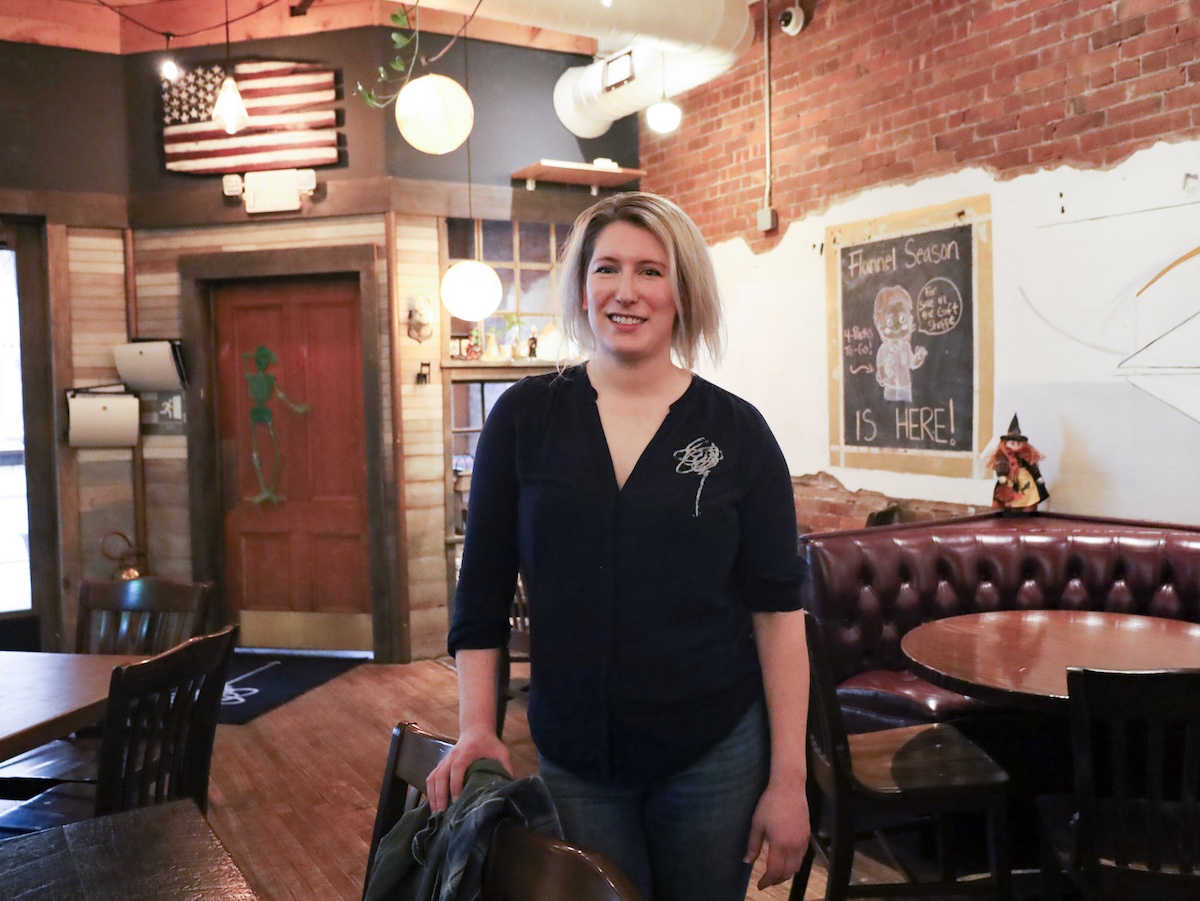
Propst never thought she’d be living in Honesdale at this point in her life. Having been born and raised in the small rural town, all she wanted to do was get away.
And for a while, she did. She went to college just outside Philadelphia and lived in New York City for a couple years until her father’s death brought her back to her hometown to help her mom.
Then, she met her fiancé, Ben Cooper, at a local farmer’s market. They soon found themselves embarking on a major restoration and renovation project in town: turning an old drug store and “five and dime” into a brewery and pizza restaurant.
Propst realized that she had built a life of her own in a town where generations of her family are from, including her grandfather, who was a surgeon for five decades at Wayne Memorial Hospital, the hospital just down the street.
Every time she passes the hospital, she thinks about the stories he used to tell her about his work and patients, and about meeting his wife – Propst’s grandmother – who was a nurse.
“It is amazing what they’re still doing, that they are still an independent hospital,” she said. “They are trying very, very hard to stay that way in this tough climate, and so many ways to just keep things small for the community, but also grow to be able to stay open.”
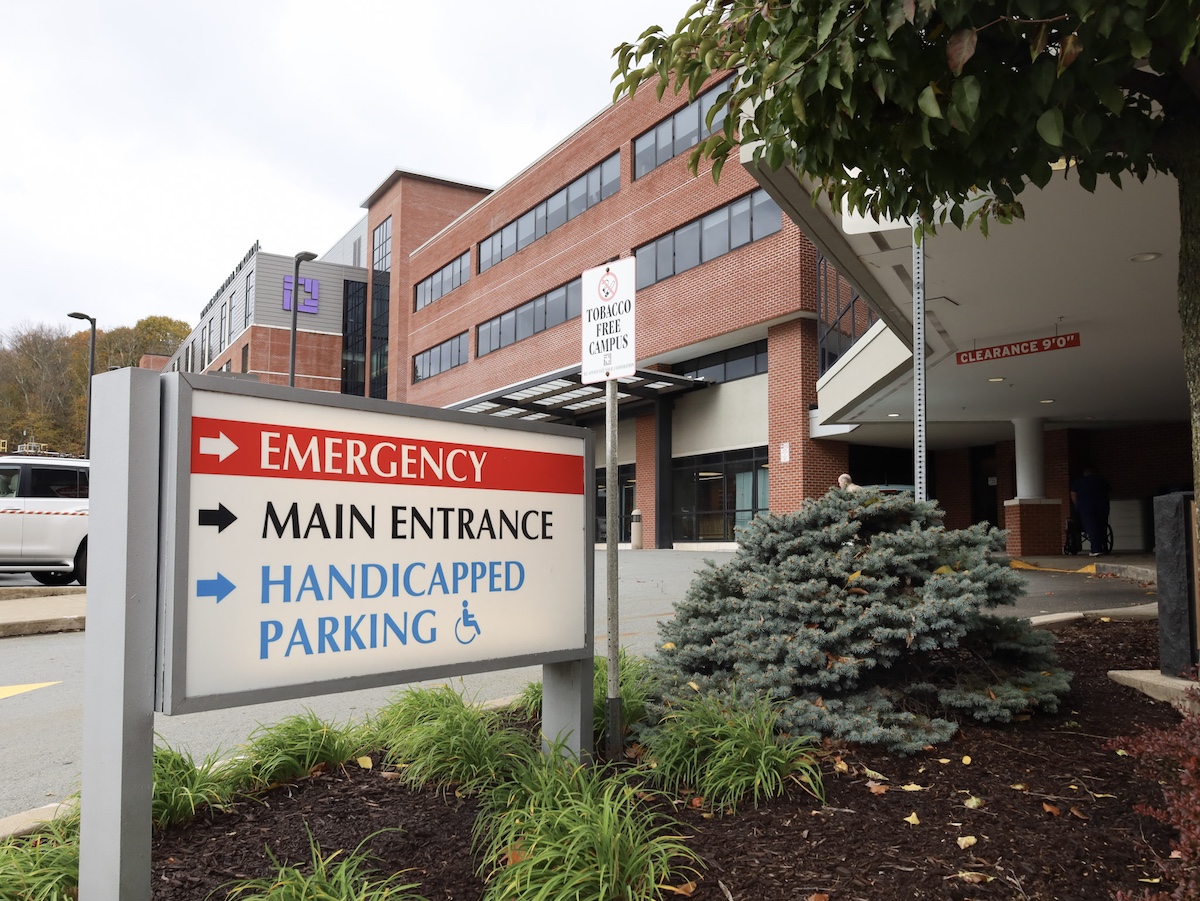
Wayne Memorial Hospital, a 90-bed acute care hospital, was one of the first hospitals to join a statewide experimental program designed to help rural health systems deal with the challenges they face in providing healthcare to some of Pennsylvania’s most vulnerable communities.
Under the Pennsylvania Rural Health Model, insurance providers, including Medicaid and Medicare, paid the hospitals a lump-sum amount of money biweekly or monthly, and the hospitals could use that money to do whatever would make the community healthier – a departure from the way hospitals have historically been paid.
Usually, hospitals treat patients and insurance providers pay the hospitals for each individual, itemized procedure or treatment, which is called fee-for-service.
The architects of the rural health model had high hopes that the new payment structure could help stabilize financially struggling rural hospitals, and bring much needed care to their communities by giving doctors incentives for keeping patients healthy, rather than treating disease.
The idea was that hospitals could invest in preventative services, so there would be fewer sick patients to treat. Hospitals would get paid a fixed amount, but since there would be fewer sick patients, they would have money left over. In turn, that would mean that payers, like insurance providers and Medicaid and Medicare, would save money because they wouldn’t have to spend as much money on hospital services.
Could the model do all of those things at the same time?


