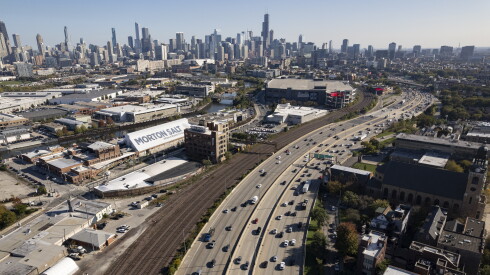
? Below: Our investigation into how construction on the Kennedy Expressway led to the worst delays in decades.
?️ Plus: Illinoisans on the hook for out-of-state data centers, Gov. JB Pritzker doles out big bucks for his fellow Democrats and more news you need to know below.
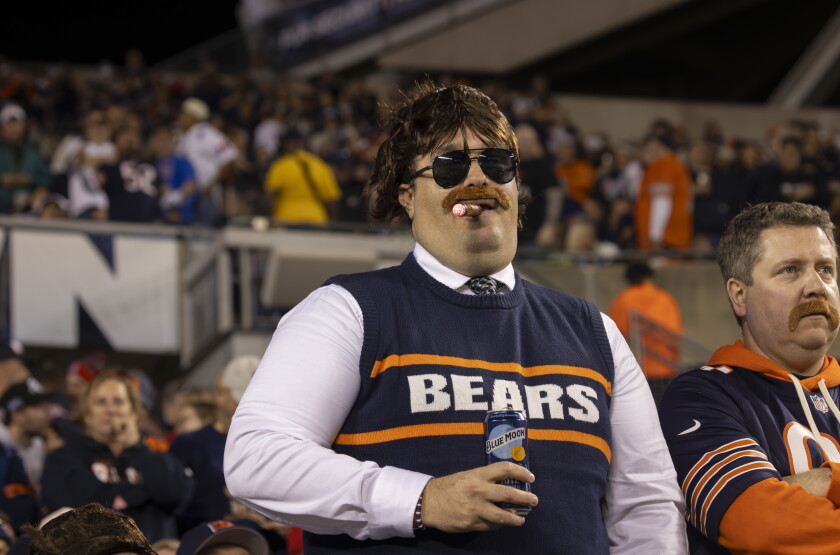
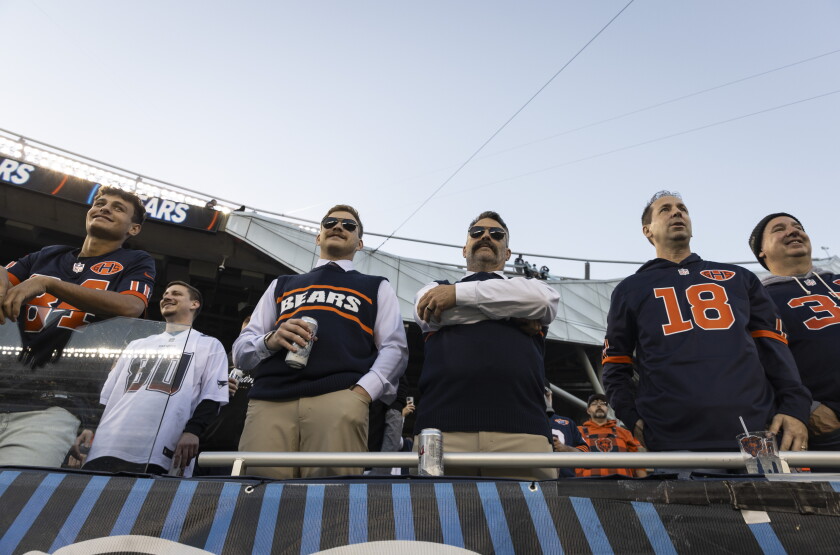
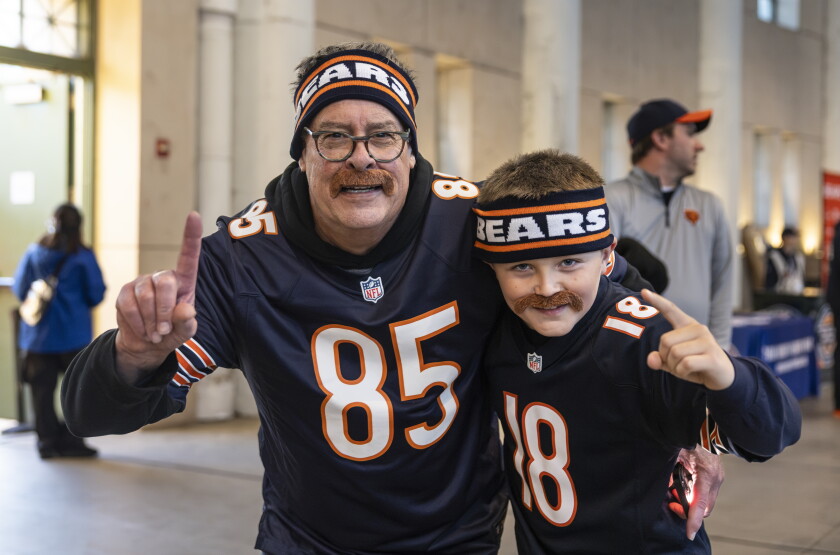
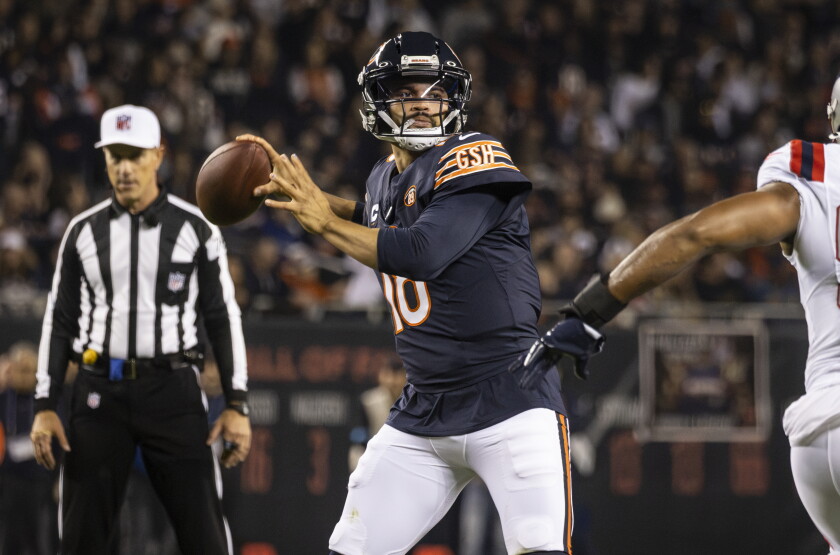
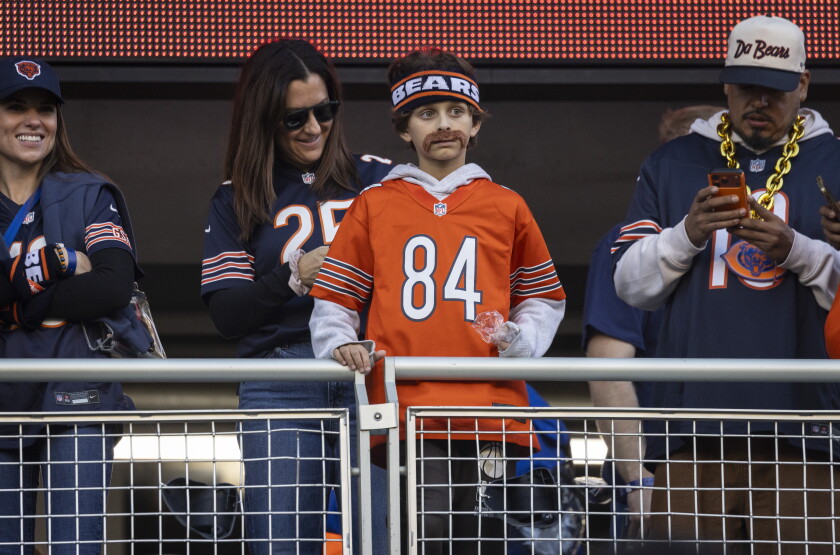
? Keeping score: The Bears beat the Patriots, 30-24.
☀️ Today's weather: Sunny with a high near 72.
? Heads up: The CTA is closing all elevated tracks in the Loop this weekend for repairs.
? Subscribe: Get our morning newsletter delivered to your inbox weekday mornings.
⏱️: An 8-minute read
Worst traffic in 22 years: Our analysis of 22 years of drive-time data shows delays on the Kennedy Expressway between downtown and O'Hare Airport were the worst in more than two decades during the Kennedy "rehabilitation project" that began in March 2023 and ended last October. Most of the longest Kennedy commutes on record happened during the project, as Illinois spent more than $170 million working on the 7.5-mile stretch between downtown and the Edens Expressway junction.
Travel time: A typical commuter traveling inbound in the mornings and outbound in the afternoons spent a total of 12 additional days in traffic over the period since the roadwork began in March 2023 over what normally would have been expected.
No relief in sight: Despite Gov. JB Pritzker's promise of "faster commutes" when he declared mission accomplished on the Kennedy project a year ago, the expressway has continued to post historically bad travel times this year. That's as the separate Foster Avenue bridge reconstruction project over the Kennedy has lagged far behind schedule, with repeated delays and no projected end date for the work there.
We heard from drivers about their experiences enduring traffic on the Kennedy.
A nurse said she'd bite her hand to stay awake at the wheel. A woman in labor writhed in pain for more than two hours in wall-to-wall traffic.
As our investigation shows, traffic on the Kennedy really has been worse over the last three years.
We will continue to cover this issue and want to hear how the traffic has affected you — tell us your Kennedy traffic horror story:
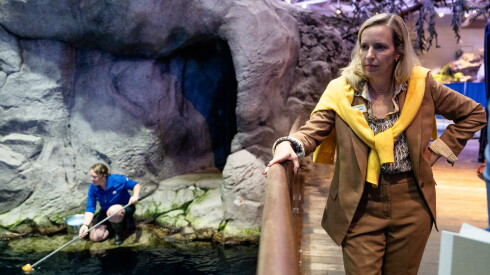
Post-rescue: This year, five aquariums, including four in the U.S., agreed to take a troubled Canadian adventure park's 30 beluga whales after the park threatened to euthanize the cetaceans, citing a lack of funds to care for them. To date, six Marineland belugas have died since being moved: four at the Shedd and one each at SeaWorld San Diego and Oceanografic Valencia in Spain.
Shedd's POV: In an interview at the Sun-Times, Shedd Aquarium President and CEO Bridget Coughlin insisted the institution is not in crisis. She pushed back against a growing public perception that the aquarium might have bitten off more than it could chew in adding 10 more belugas to a population of eight resident whales. "Rescue is never convenient," she said, noting Shedd staff have been coordinating with Marineland Canada in Ontario since January.
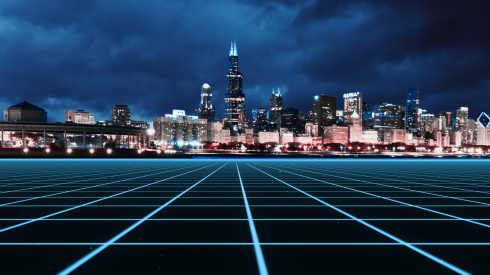
Strained grid: Illinois' electric grid is stressed, thanks to the demand from huge data centers rapidly multiplying to power artificial intelligence. There are more than 100 data centers in northern Illinois, each needing enough electricity to power a midsize city. Data centers require every bit of electricity that Illinois power sources — nuclear, coal, natural gas, wind and solar — can produce.
Why you're being billed: Chicago belongs to a multistate power consortium that connects us to a dozen other states across the eastern U.S., allowing states to give or take power from partners. ComEd customers are seeing higher bills, in large part because data centers are expanding everywhere. Because these data centers require enormous amounts of energy, the price of electricity is determined by the needs of this larger pool of states.
Estimated cost: ComEd expects to spend more than $3 billion to connect data centers to its electric grid in the coming years, but it has only collected about one-fourth of the costs from data center developers — a troubling gap that could leave Illinois consumers on the hook, according to consumer groups.
Substation pushback: Administrative law judges for the Illinois Commerce Commission said ComEd should not build a substation in Lincoln Park, a plan that has drawn fierce pushback from neighbors.
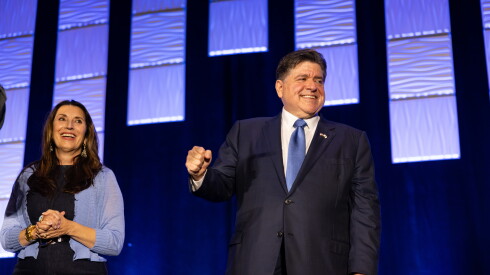
Big spender: Illinois Gov. JB Pritzker is pouring millions into some of the country's most consequential midterm races that could determine just how much President Donald Trump can accomplish in his final two years in office — efforts that will also help the governor in a potential 2028 presidential bid.
The method: Pritzker, the billionaire heir to the Hyatt empire, is doling out his vast personal wealth to boost candidates in contentious races — and he's building coalitions with Democrats nationwide, including in 2028 early primary states. Beyond his own political future, a Democratic-led House or Senate would be essential for any Democratic presidential candidate to get things done next term.
Adding up: Since 2025, Pritzker has given at least $40 million to Democrats and allied causes — including campaigns for Congress, Senate, attorney general, secretary of state, county judges, and state parties in more than a dozen states, as well as ballot fights over abortion rights and redistricting. That figure includes $15 million he contributed to his own PAC called Ready for the Fight, which is running ads in Tennessee, Arkansas, Alabama and Ohio.
In the Loop with Sasha-Ann Simons, 9 a.m.
Say More with Mary Dixon and Patrick Smith, 10 a.m.
Today's clue: Chicago musician ___ Morimoto, whose album, "Time Is On Your Side," is out today.














As the sun sets Saturday, Columbus Drive will come alive with a fire-breathing dragon, giant animal puppets, and scores of drumlines and dance troupes.
The annual Arts in the Dark parade, now in its 12th year, is not your typical parade. Instead, this night of spooky festivity is all about putting on a performance and celebrating parading as an art form, said Mark Kelly, the event's co-founder and artistic director.
This year, roughly 100 groups will bring 5,000 performers, ranging from high school marching bands to an all-woman lowrider car club. Plus, there will be giant alebrijes, a 60-foot glow worm, circus acts and ballet folklórico dancers.
It's meant to celebrate the city's diversity. Plus, for Kelly, it's a chance to embrace Halloween as an artist's holiday.
"It's the purest of all of the holidays in this country, and we're declaring it as ours. ... Arts in the Dark intends to be a celebration of the creative life of our city," Kelly said.
Thanks for reading the Sun-Times Morning Edition!
Got a story you think we missed? Email us here.
Written and curated by: Matt Moore
Editor: Michael Lansu
Copy edited by: Satchel Price